+1 (844) 567 - 2590
.svg)

Helping your Microsoft investments pull their weight, strengthen control, and get more from Azure and M365.


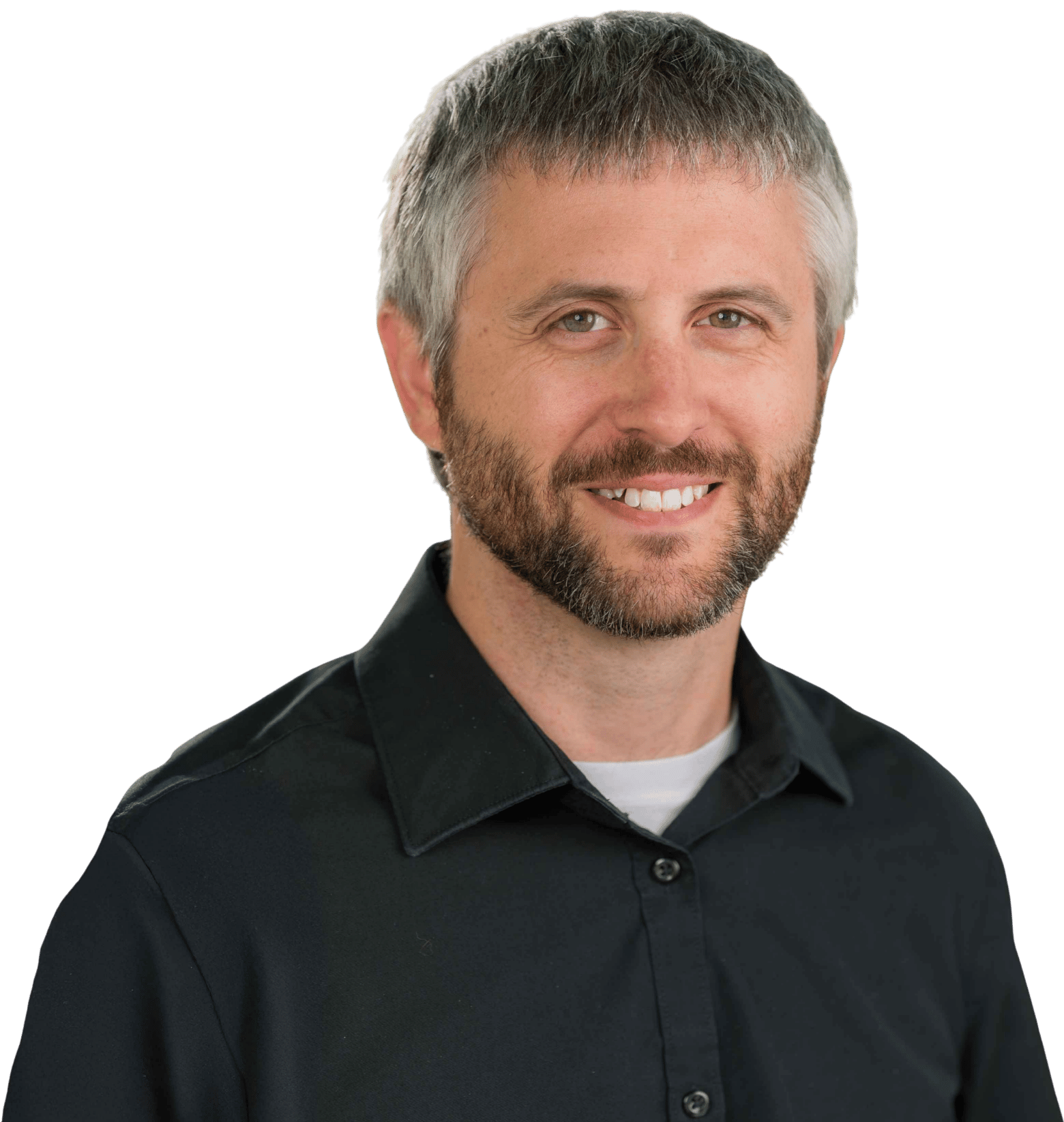
Most Microsoft environments carry more cost than they should. Licenses go underutilized, support contracts deliver ticket queues instead of senior expertise, and cloud infrastructure built for one initiative rarely gets revisited. Michael has spent his career fixing exactly that.
As CTO at Dynamic Consultants Group (DCG), Michael leads two practices built around closing those gaps. Advanced Support is a direct alternative to Microsoft Unified Support, built around senior engineers from first contact, transparent pricing, and proactive issue prevention. Today, the practice supports 2 million active users. Modern Cloud delivers M365 and Azure solutions for complex, regulated environments, with a focus on architecture, security, and measurable business outcomes. One recent licensing evaluation surfaced $2.8M in M365 savings for a single client.
Before DCG, Michael spent years as a solutions architect and consultant inside an MSP and a data center and hosting company, including stints as the de facto CIO for a hospital and a school district. He also serves as DCG’s CIO and CISO, having driven the firm to SOC 2 Type II certification and a zero-trust security framework. He is also a speaker, writer, and technical leader who regularly shares perspectives on where the Microsoft ecosystem is heading and where IT leaders may be leaving value on the table.
Outside of work, Michael teaches in Christian ministry, a commitment that shapes the integrity and straight-talk approach he brings to every engagement.




Michael brings an unconflicted view to Microsoft cloud strategy, support, licensing, security, and modernization, paired with the hands-on architecture experience to actually implement what he recommends.

Microsoft environments quietly costing more than they should across licenses, support, and cloud resources, no one has honestly re-evaluated
Unified Support contracts that are not delivering the senior engineering attention enterprises expect
Azure and M365 environments that need stronger security, governance, and cost control without slowing the business down
Complex or regulated organizations that need cloud architecture built for real operational requirements, not a reference diagram
IT leaders moving faster on AI and cloud without creating new risk, sprawl, or technical debt
ERP partner transitions are rarely clean. When a project is already under pressure, licensing can look like background noise, until it becomes a budget problem, a provisioning problem, or a compliance problem.
In this guide, Michael explains why licensing needs to be revisited during ERP partner transitions, especially when organizations inherit legacy agreements, duplicate SKUs, mismatched roles, dormant licenses, or user assignments that no longer align with project reality.
More from him on the
Richardson Cloud Blog: expert opinions on IT modernization, Azure architecture, security, and the Microsoft cloud.

A quick look at how Michael helps leaders cut through Microsoft cloud complexity, modernize with control, and make smarter technology decisions before cost, security, or scale become the problem.

A conversation with Jason Festich, Solutions Advisor at Dell, on hybrid cloud strategy, Azure Stack HCI, and what IT leaders should understand about modern infrastructure options.
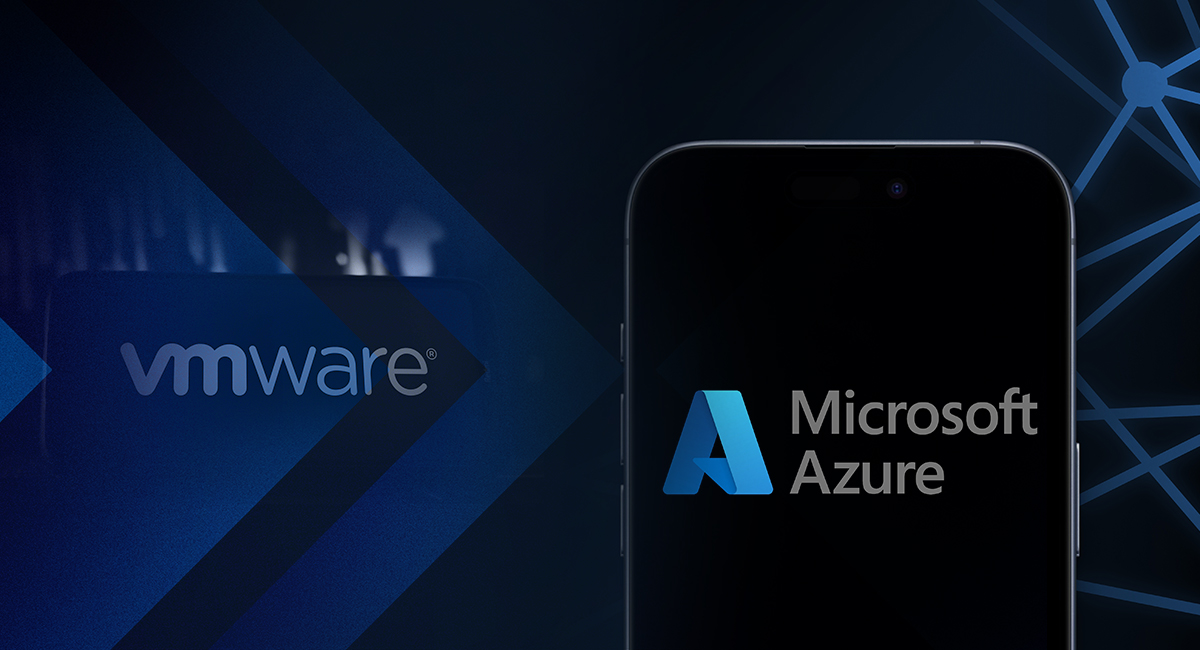
A conversation with John Miller on why enterprises are transitioning from VMware to Azure Stack HCI, the challenges they face, and the benefits they gain.
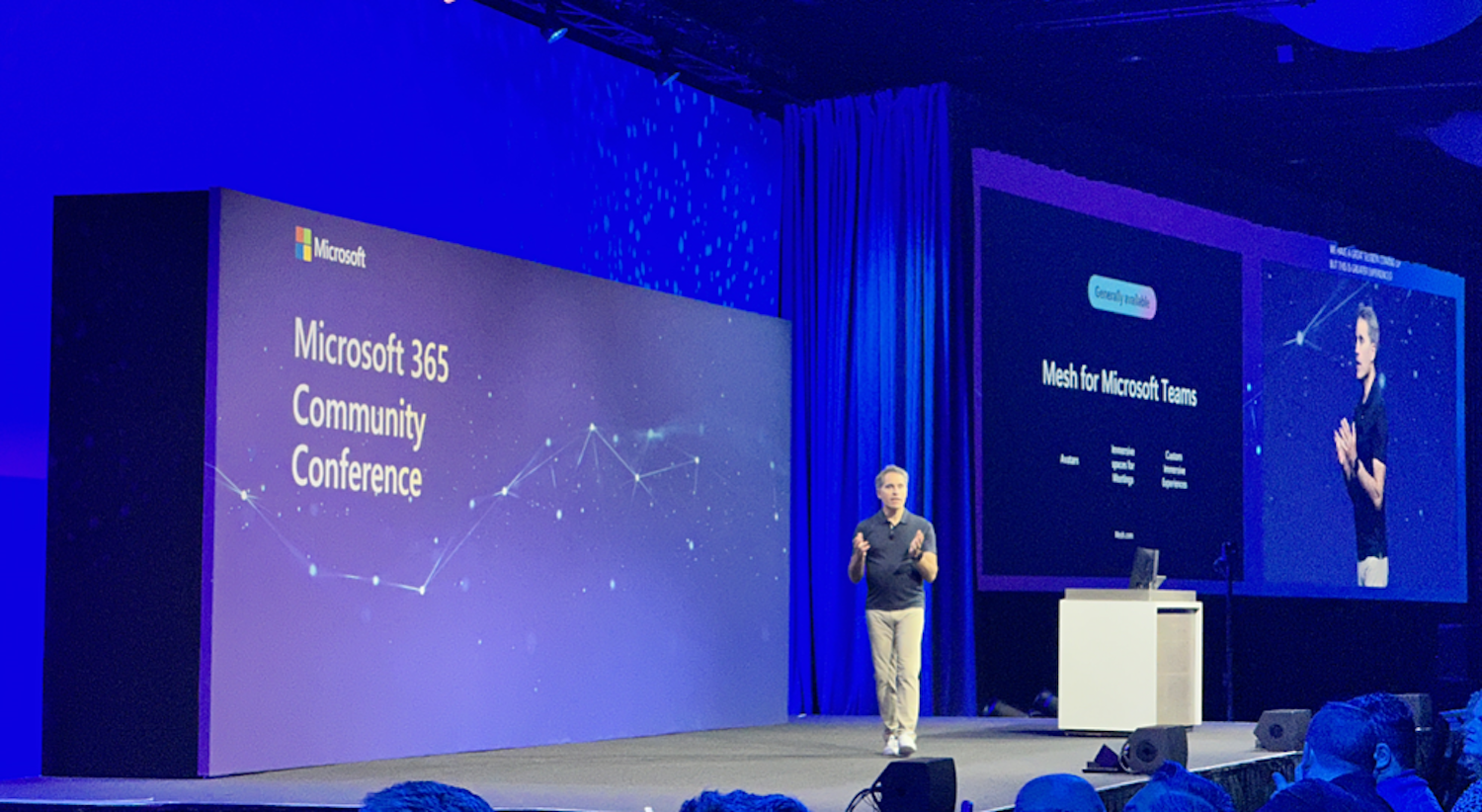
“Beyond the Chat Box: Using GitHub Copilot CLI to Supercharge Your M365 Workflow” and “No-Code Superpowers: Use AI to Build and Ship Power Automate Flows.”

A practical guide on what Code Apps mean for enterprise teams that need more developer control, stronger user experiences, and custom applications without stepping outside Power Platform governance.
on cloud architecture, infrastructure modernization, Azure strategy, or Microsoft cloud security? Share some details in the form, and we will follow up.


©2026 Dynamic Consultants Group, LLC. - All Rights Reserved.